
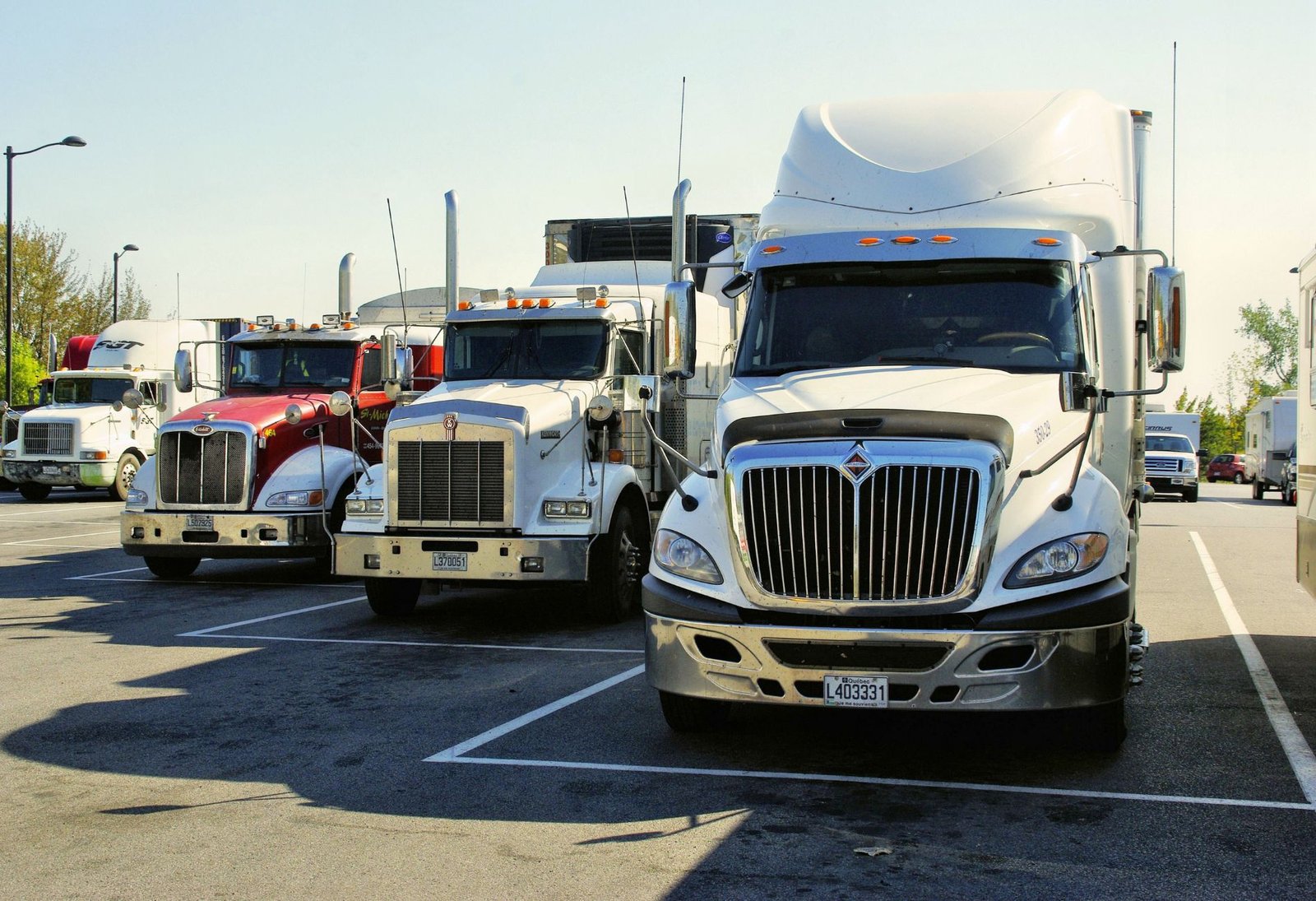
A work truck overspecced by one trim level burns extra fuel for three years. Underspecced, it leaves you renting equipment trailers or paying for upgrades mid-lease. Getting the spec right at lease signing is worth thousands. The Edmonton fleet team at Northern Auto Brokers has been helping Alberta tradespeople pick work trucks for over two decades, and this guide walks through how to spec a work truck lease in Alberta the right way for your specific trade.
Start With Payload, Not Power
The first question on a work truck lease isn’t horsepower or towing — it’s payload. How much weight does the truck regularly carry?
Payload includes everything in or on the truck: passengers, tools, fuel, equipment, fluids, the bed cap or canopy, anything bolted on. Manufacturers publish maximum payload, but the number you actually have to work with is the GVWR minus the truck’s curb weight (with you and your gear in it).
Common payload realities:
- A half-ton (F-150, Silverado 1500, Ram 1500) typically has 1,500–2,500 lbs of usable payload depending on trim and engine
- A 3/4-ton (F-250, Silverado 2500, Ram 2500) typically has 3,000–4,500 lbs
- A 1-ton (F-350, Silverado 3500, Ram 3500) single-rear-wheel typically has 4,500–6,500 lbs
- A 1-ton dually pushes 6,000–8,000+ lbs depending on configuration
If your trade regularly carries 2,500+ lbs of tools and material, half-tons are out. If you’re towing trailers loaded to 10,000+ lbs daily, you need 3/4-ton minimum.
Pick the Right Truck for Your Trade
Plumbing, HVAC, Electrical (Service-Based Trades)
Half-ton or 3/4-ton crew cab with a service body or topper. Annual mileage tends to be 25,000–40,000 km, mostly stop-and-go between job sites.
The right spec is usually the work-grade trim (XL, Tradesman, WT) with the optional payload package. Skip the leather and tech features; you don’t need them, and base trims hold residual better than mid-trims for fleet remarketing.
Construction, Framing, Concrete
3/4-ton or 1-ton extended cab or crew cab with an 8-foot box. Towing capacity matters — you’re moving trailers, generators, mixers.
Diesel often pencils better here because of the duty cycle. The fuel premium gets eaten by towing efficiency.
Welding, Hot-Shot, Oilfield
1-ton dually or chassis cab. Diesel is the default.
Welding rigs have specific upfit requirements (welder mounts, generator boxes, cranes). Lease structures need to account for this — some lessors will finance the upfit; some treat it as separate capital expense.
Landscaping, Snow Removal
3/4-ton crew cab with plow prep. The plow package matters — snow plowing without it shortens transmission life dramatically.
For snow operators, a heavy-duty alternator and beefier suspension are worth specifying.
Roofing, Siding, Exterior Trades
1/2-ton or 3/4-ton crew cab with a 6.5- or 8-foot box, dump insert capability, ladder rack provisions.
Annual mileage tends to be lower (15,000–25,000 km), often offset by heavy daily payload.
Mobile Mechanics and Service Trucks
3/4-ton or 1-ton chassis cab with a service body. Compressor mount, crane mount, and tool storage define the upfit.
Lease structures here often need to be longer term (48–60 months) because the upfit cost can match the truck cost.
Cab Configuration: Don’t Default to Crew Cab
Crew cab adoption is near-universal in Canadian work trucks now, but it’s not always right.
- Regular cab is faster to load tools, costs less, and has the longest box. Right for solo operators with no passenger needs.
- Extended cab (SuperCab, Quad Cab) gives you back-seat storage and occasional 4-passenger capacity. Good middle ground for trades that occasionally have a helper.
- Crew cab carries 4–5 adults comfortably, but loses 18+ inches of box length to the rear seat. Right when you regularly haul a crew.
The wrong cab choice costs you bed length you’ll regret for three years.
Engine and Drivetrain for Alberta Work
A few Alberta-specific notes:
Diesel Premium
Diesel pickups in Alberta hold value remarkably well — Cummins 6.7, Power Stroke 6.7, Duramax 6.6 all have strong residuals here. The fuel cost premium ($0.10–$0.30/L over gas) is offset by 20–30% better fuel economy on heavy work.
The break-even point for diesel is roughly 25,000+ km/year with regular heavy load or towing. Below that, gas often wins.
Cold-Weather Packages
Block heater, heavier-duty battery, larger alternator, and engine cold-weather package all matter on northern Alberta routes. They’re cheap at order time, expensive to retrofit. Spec them in.
4WD vs 2WD
Most Alberta work trucks are 4WD. The fuel and lease premium is worth it for most trades. Two-wheel-drive duallys still make sense for hot-shot and pavement-only operations.
Gas V8 vs EcoBoost vs Diesel Trade-Off
For half-tons:
- EcoBoost / TurboMax / TurboCharged V6: Best fuel economy, strong tow, slightly lower residual on early years (improving). Right for service trades.
- 5.0 V8 / 6.2 V8 / Hemi 5.7: Traditional reliability, best at heavy daily duty, slightly worse fuel economy. Right for construction-heavy use.
For 3/4- and 1-ton: – Gas V8 for lower duty cycles and lighter towing – Diesel for sustained heavy work
Lease Structure for Work Trucks in Alberta
A few items to negotiate:
- Mileage cap: match actual usage. 25,000 km/year is the most common Alberta service-trade cap. Heavier construction/oilfield runs 35,000–50,000.
- Term: 36 months is standard. 48 months works for low-mileage trades. 60 months is right when upfit cost is high and you need to amortize.
- Maintenance package: worth it for fleets of 3+. For single-truck operators, manufacturer captive financing often beats fleet leasing.
- Wear-and-tear standard: work trucks see hard use. Get the standard in writing.
- Buyout option: if you anticipate keeping the truck past lease-end (common with welders and service trucks where upfit value exceeds residual), make sure the buyout is clear and fair.
What to Skip
A few things you don’t need on a work truck lease:
- Leather and premium audio (lower residual on commercial-spec trucks, no operational value)
- 22″ wheels (worse ride, more expensive replacement, no benefit)
- Sunroofs (more leak points, no operational value)
- Adaptive cruise (rarely useful on stop-and-go work routes)
- Towing mirrors if you don’t tow (lower residual on commercial remarketing)
What you DO want: heavy-duty cooling, cold-weather package, work-truck trim with vinyl floors, integrated brake controller (for any truck that will tow), and any payload package that bumps GVWR.
A Practical Spec Worksheet
Before you sign a work truck lease in Alberta, write down:
- Maximum daily payload
- Maximum tow weight
- Annual mileage estimate
- Crew size you regularly carry
- Heaviest piece of equipment that goes in or on the truck
- Whether you tow
- Whether you plow
- Cold-weather route exposure
- Upfit requirements (service body, ladder rack, dump insert, etc.)
Bring that to your lease quote conversation. The right spec falls out of the worksheet, not the salesperson’s preferences.
If you’d like a second look at a work truck lease quote you’ve received — or help spec’ing the right truck for a specific trade — Northern Auto Brokers’ fleet team works with Alberta tradespeople every day. Northern Lease Corp also runs a flat $1,000/month all-inclusive Ford F-150 program that fits a lot of service-trade operators. Reach Kal at 780-289-4966 or kal@nabrokers.ca.