
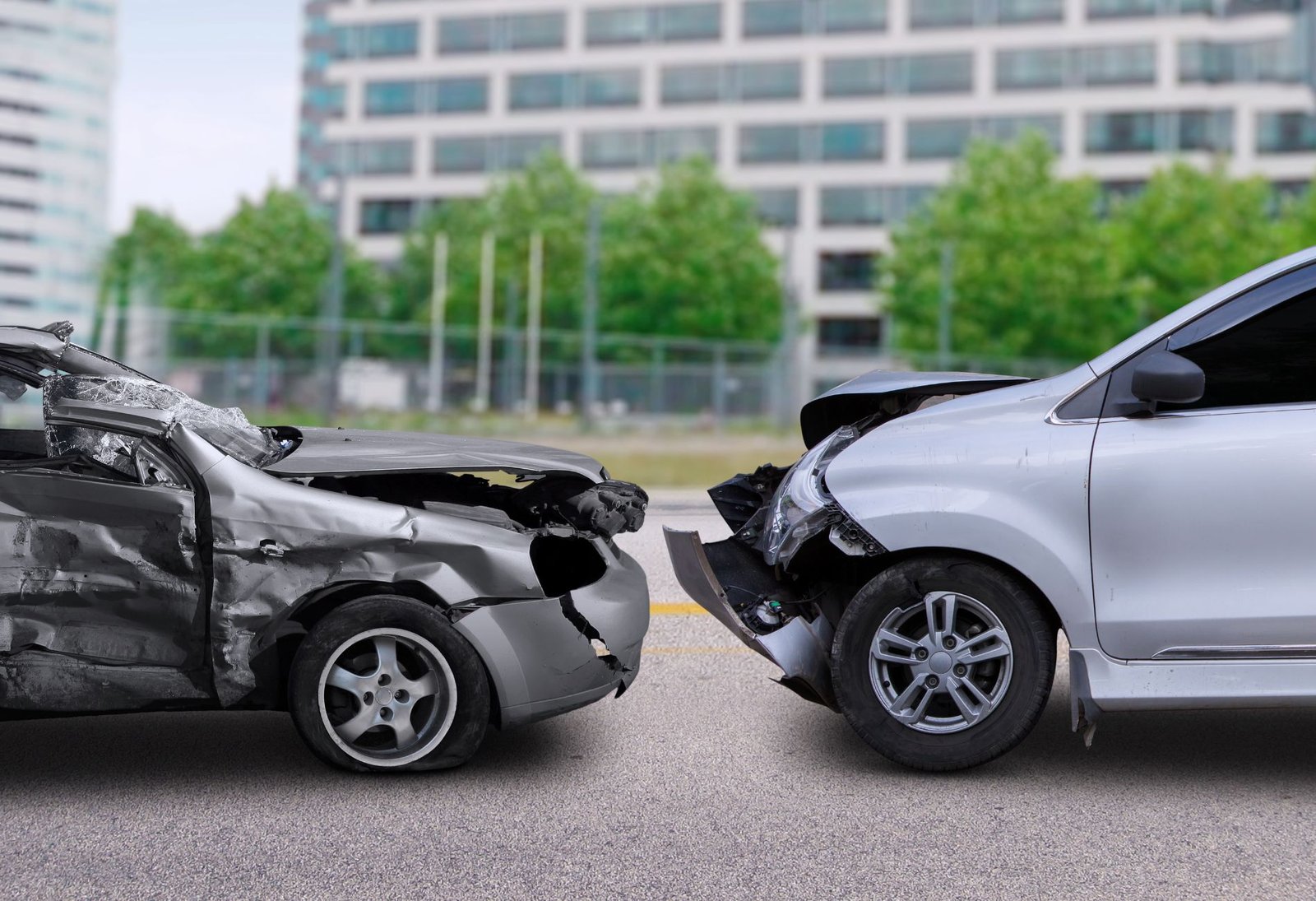
When your insurer declares your car a total loss, you have a choice that most owners don’t fully understand: take the insurance settlement and let them keep the vehicle, or take a smaller settlement and keep the salvage yourself. The owner-retained salvage option opens up a sale path most people miss — and depending on the vehicle, it can net you significantly more than letting insurance keep the wreck. The Alberta team at Northern Auto Brokers has worked with owner-retained salvage situations for over two decades, and this is the practical guide to selling a totaled car in Alberta when you keep the salvage.
What “Totaled” Actually Means
Insurance companies declare a vehicle “totaled” (a total loss) when:
- Repair cost exceeds the vehicle’s actual cash value (ACV)
- Repair cost is close to ACV and the insurer judges repair impractical
- The vehicle has structural damage that compromises safety even after repair
In Alberta, the threshold for a total loss varies by insurer but typically falls when repair estimates exceed 60–80% of pre-loss ACV.
What Happens When a Vehicle Is Totaled
The standard process:
- Insurer assesses the damage and calculates the vehicle’s pre-loss actual cash value
- Insurer offers a settlement equal to ACV (minus deductible)
- Insurer takes possession of the vehicle (it goes to a salvage auction or the insurer’s salvage processor)
- The vehicle’s title is “branded” salvage and the vehicle leaves the regular market
This is the default path. You get a payout, the insurer gets the wreck.
What “Owner-Retained Salvage” Means
In owner-retained salvage situations, you tell the insurer you want to keep the vehicle. The process becomes:
- Insurer assesses damage and calculates ACV
- Insurer also calculates the salvage value (what they would get at auction for the wreck)
- Insurer offers you the difference: ACV minus salvage value, minus deductible
- You keep the vehicle with a salvage-branded title
- You’re free to repair, sell, or scrap the vehicle yourself
You get less from the insurer (because you’re keeping value in the form of the wreck), but you own the vehicle and can sell it on your own terms.
When Owner-Retained Salvage Pays Off
The math works in your favor when:
The Salvage Has Resale Value Above Insurer’s Estimate
Insurers calculate salvage value based on auction comparables. Some vehicles — late-model trucks, high-demand profiles, vehicles with strong U.S. export demand — sell for more through specialized buyers than auction venues.
A 2020 F-250 totaled by hail damage might have insurance salvage value of $8,000 (auction estimate) but a real direct-buyer offer of $14,000 from a specialist who repairs hail damage at scale.
You Can Repair Cheaply Yourself
If you have the skills, time, and connections to repair the vehicle below the insurer’s repair estimate, you can: – Take the owner-retained settlement – Repair the vehicle for less than the insurer’s estimate – Either sell repaired (at salvage-title pricing) or use the vehicle yourself
The Vehicle Has Strong Parts Demand
Some totaled vehicles are worth more parted out than as a wreck. Mechanical specialists buy these.
You Have Time and Knowledge to Manage the Sale
Selling a totaled vehicle requires more buyer screening, more honesty in disclosure, and more comfort with niche channels than selling a clean vehicle. If you have the bandwidth, owner-retained salvage opens up money the standard process doesn’t.
When Owner-Retained Salvage Isn’t Worth It
Don’t take owner-retained salvage when:
The Vehicle Is Truly Destroyed
Severe damage with no realistic resale value. Take the insurance payout, walk away.
The Math Is Tight
If the salvage value the insurer offers you (deducted from your settlement) is close to what you can realistically sell the wreck for, you’re not gaining anything by taking on the work.
You Don’t Have Time
Selling a salvage vehicle takes more effort than a regular sale. If you’re stretched, the standard insurance process is simpler.
The Vehicle Has Severe Liability Risk
Some damage profiles (severe frame damage, airbag deployment with structural concerns) create downstream liability if the vehicle is repaired and resold. Insurers handle this; private sellers should be cautious.
Owner-Retained Salvage Math: A Realistic Example
Take a 2019 Toyota Tacoma TRD Off-Road, hail damaged extensively (collision repair estimate $14,000), pre-loss ACV $42,000:
Standard Total Loss Path
- Insurer settlement: $42,000 (minus deductible, say $1,000)
- You receive: $41,000
- Vehicle goes to insurer
Owner-Retained Salvage Path
- Insurer settlement: $42,000 minus salvage value (insurer estimates $9,000) minus deductible $1,000 = $32,000
- You keep the truck (salvage title)
- You sell the truck to a specialist hail repair buyer: $13,000–$15,000
- Total: $32,000 + $14,000 = $46,000
In this example, owner-retained salvage nets $5,000 more than the standard path. [STAT NEEDS VERIFICATION: 2026 Tacoma TRD values and hail damage market in Alberta — confirm against current data]
The math depends on the spread between insurer salvage estimate and what you can realistically sell for.
Selling a Salvage-Title Vehicle in Alberta
Once you have the vehicle with a salvage title, the sale process is different from a clean-title vehicle.
Disclosure Requirements
You must disclose salvage status to any buyer. Misrepresentation creates legal exposure.
Buyer Pool Limitations
Salvage-title vehicles can’t be exported to most U.S. markets, can’t be financed by most lenders, and have a smaller buyer pool than clean-title vehicles. The buyers who do buy salvage are typically:
- Body shops and collision repair specialists
- Buyers planning to repair and use the vehicle themselves
- Specialty wholesalers who clear salvage inventory through specific channels
- Parts buyers if the vehicle is parted out
Title Brands by Province
Alberta uses specific designations: – Salvage — vehicle has been declared a total loss – Rebuilt — vehicle was salvage but has passed Alberta’s rebuilt vehicle inspection and can be re-registered for road use – Non-repairable — vehicle is too damaged to safely return to road use; can only be sold for parts or scrap
A salvage vehicle that’s been repaired and re-inspected can become “rebuilt” — but the title brand stays for the vehicle’s life.
Sale Documentation
For salvage vehicle sales: – Bill of sale with salvage status disclosed – Title transfer at Service Alberta – Buyer acknowledgment of salvage status – Photos and condition documentation
Channels for Selling a Totaled or Salvage Vehicle
Five channels worth considering.
1. Direct Specialty Buyer
Buyers who specialize in damaged or salvage-title vehicles. They have downstream channels (repair-and-resell, parts, specialty markets) that maximize value.
2. Repair-and-Resell Buyers
Operations that buy salvage, repair, and resell. They typically buy specific profiles (hail damage, light collision) where their repair economics work.
3. Parts Buyers
For vehicles where parts demand exceeds whole-vehicle value. Common on luxury vehicles, certain trucks, specialty configurations.
4. Auction (Limited)
Most regular auction lanes are clean-title focused. Specialty salvage auctions exist but require seller relationships.
5. Junkyard / Dismantler
For vehicles where damage is severe enough that no realistic repair is viable.
Common Owner-Retained Salvage Mistakes
Five patterns to avoid:
Accepting the Insurer’s Salvage Value Without Comparison
Get a real-world salvage offer before deciding between standard and owner-retained paths. Insurer salvage estimates are based on auction comparables — direct buyers often pay more.
Underestimating Sale Effort
Selling salvage takes more time than selling a clean vehicle. Account for that effort in the math.
Misrepresenting Salvage Status to Buyers
Failure to disclose salvage status is fraudulent and creates legal exposure. Buyers will eventually find out.
Trying to Repair to Avoid the Salvage Brand
Once a vehicle is declared a total loss, the salvage brand attaches to the title even if repairs are completed. Alberta’s rebuilt-title process is the only legitimate path.
Skipping Insurance Coordination
Make sure your insurer’s documentation reflects owner-retained salvage clearly. Disputes after the fact are difficult to resolve.
How to Decide
A simple framework:
- Get the insurer’s salvage value estimate
- Get 2–3 real offers from specialty buyers for the wreck
- Calculate the owner-retained net: (Standard settlement) − (Salvage value deducted) + (Real buyer offer) = Total
- Compare against standard settlement
- Factor in your time (10–30 hours typical for owner-retained sale management)
- Decide
If the spread is more than $3,000–$5,000 net of effort, owner-retained typically wins.
When Northern Auto Brokers Is the Right Buyer
Northern Auto Brokers buys totaled and salvage-title vehicles across Alberta — collision damaged, hail damaged, fire damaged, mechanical writeoffs. With 20+ years in the market and active U.S. export reach (where salvage status allows), our offers on the right damaged vehicle profiles are typically competitive with — and often above — insurance salvage estimates.
For owners considering owner-retained salvage, getting a real buyer offer before deciding helps you make an informed call.
If you’re dealing with a totaled vehicle and want to know what you can really sell it for, reach Kal at 780-289-4966 or kal@nabrokers.ca. Quick appraisals, fair offers, instant payment, free pickup across Alberta.