If you’ve got a non-running car, a high-mileage beater, or a vehicle with a blown engine sitting in your driveway, the decision usually comes down to two channels: a junkyard (auto recycler) or a cash-for-cars buyer. They sound similar but they price vehicles differently — and the gap between them on the same vehicle is often hundreds or thousands of dollars. The Alberta team at Northern Auto Brokers has worked with both channels for over two decades, and this is the honest comparison.
What Each Channel Actually Does
Junkyards (Auto Recyclers / Dismantlers)
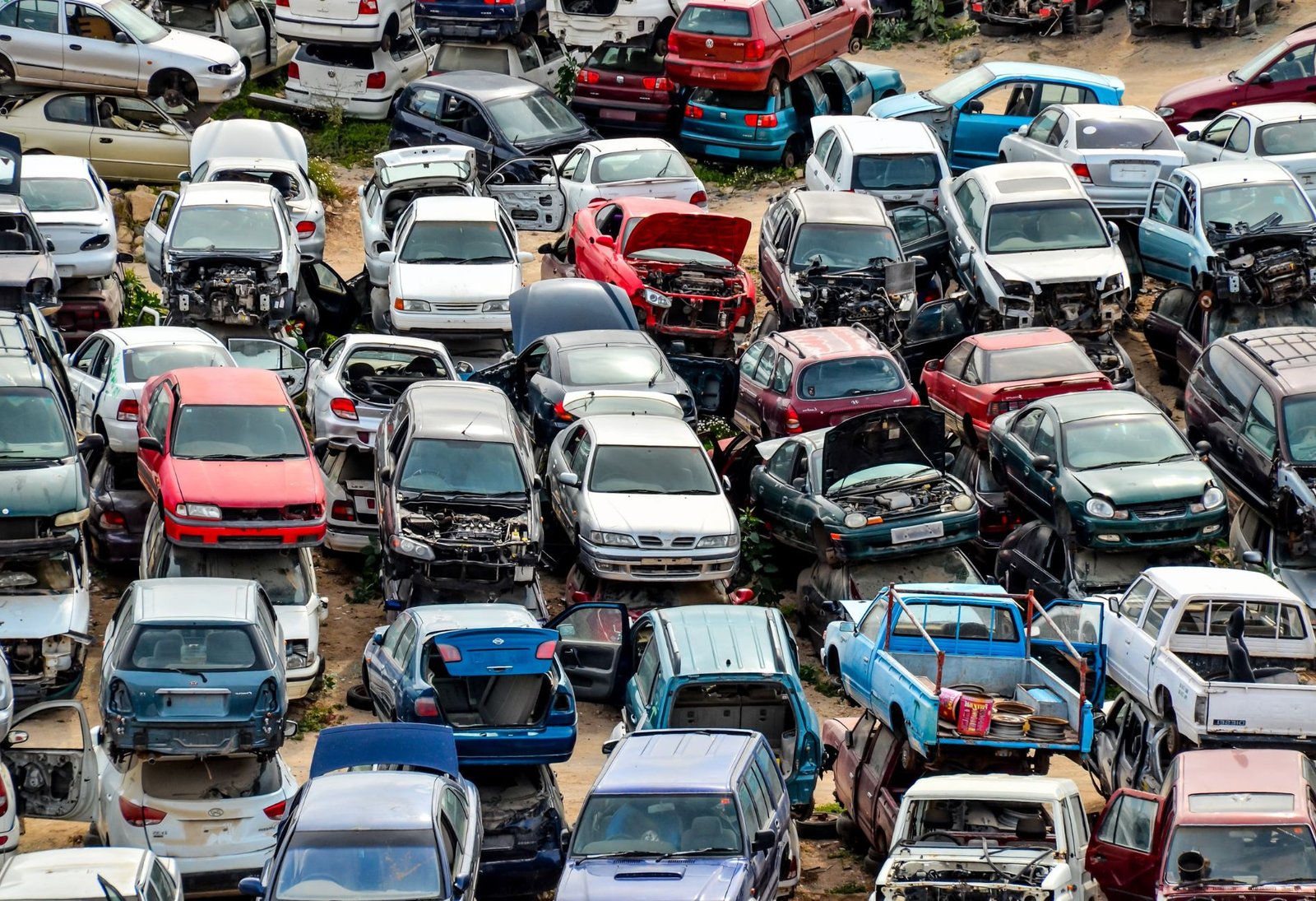
Junkyards buy vehicles primarily for parts and scrap metal. They:
- Strip the vehicle for sellable parts (engines, transmissions, body panels, electronics)
- Recycle the steel, aluminum, copper, and other metals
- Process or destroy any hazardous materials (fluids, batteries, refrigerants)
- Sometimes sell intact vehicles to other buyers if there’s value beyond parts
Pricing is driven by: – Current scrap metal prices – Resellable parts inventory needs – Vehicle weight and material composition
Cash-for-Cars Buyers
Cash-for-cars buyers cover a wider range of vehicles. They:
- Buy running vehicles for resale (wholesale, retail, or U.S. export)
- Buy non-running vehicles for repair-and-resell or parts
- Sometimes operate their own salvage and dismantling operations as part of broader vehicle businesses
Pricing is driven by: – Vehicle make, model, year, and demand – Resale potential through their channels – Repair-and-resell economics – Parts demand
How They Price the Same Vehicle Differently
The same non-running 2012 Toyota Camry illustrates the difference.
Junkyard Approach
A junkyard looks at: – Estimated scrap weight (around 1,400 kg of recoverable metal) – Scrap price (varies, roughly $0.05–$0.15/kg for mixed auto scrap in 2026) [STAT NEEDS VERIFICATION: 2026 Alberta scrap metal prices — confirm against current commodity rates] – Salvageable parts inventory (engine, transmission, body panels, etc.) – Cost to process and dismantle
Result: an offer roughly $300–$800 typically for this vehicle, depending on parts demand and metal pricing.
Cash-for-Cars Buyer Approach
A cash-for-cars buyer looks at: – Wholesale market value (a 2012 Camry has demand even non-running because of repair viability) – Cost to repair vs current value – Resale through their channels – Whether the vehicle fits their downstream buyer pool
Result: an offer roughly $1,200–$2,500 typically for this vehicle, depending on the cause of non-running and condition.
The gap is meaningful. A vehicle that has resale value beyond scrap rarely belongs at a junkyard.
When Junkyards Win
Junkyards are the right buyer when:
The Vehicle Has Truly Reached End of Life
Rusted out frame, decades-old, no significant resellable parts, no resale demand. Vehicles that genuinely have no value beyond their metal.
Severe Environmental Damage
Fire damage, flood damage, severe rust through the body. Vehicles where repair is impossible and parts are degraded.
Pre-2000 Common Vehicles
Old common vehicles with worn-out drivetrains and limited parts demand. The market for these has often shrunk to scrap value.
The Vehicle Has No Title
Some junkyards will buy without title (in some provinces, with appropriate paperwork). Cash-for-cars buyers usually need title.
You Need It Gone Today
Local junkyards often pick up same-day. Cash-for-cars buyers who need to evaluate or coordinate logistics may take 1–3 days.
When Cash-for-Cars Buyers Win
Cash-for-cars buyers are the right channel when:
The Vehicle Is Late-Model With Reparable Issues
A 2018 Honda CR-V with a blown transmission still has substantial value to a buyer who can repair and resell. Junkyard scrap pricing on this vehicle is dramatically below resale value.
The Vehicle Has Resale Demand
Most domestic and Asian-market vehicles 2010 and newer have buyer demand even with mechanical issues. Cash-for-cars buyers price this in; junkyards don’t.
Specific Parts Demand Exceeds Scrap Value
A truck with a desirable engine, transmission, or specific OEM parts may be worth more whole than scrapped — if the right buyer wants it.
Damaged but Driveable
Collision-damaged vehicles that still drive, hail-damaged vehicles, or vehicles with cosmetic issues but mechanically sound. These have substantial resale value through cash-for-cars channels.
High-Demand Vehicle Profiles
Diesel pickups, late-model trucks, popular SUVs — even non-running examples often have repair-and-resell value above scrap. Cash-for-cars buyers with U.S. export reach pay particularly well on these.
How to Decide for Your Specific Vehicle
A simple decision tree:
Question 1: Year and Make
- Pre-2000 common vehicle: junkyard is likely the right fit
- 2010+ vehicle in any condition: cash-for-cars buyer almost always pays more
- 2000–2010: depends on make/model and condition (see below)
Question 2: Condition
- Truly destroyed (fire, flood, severe rust through frame): junkyard
- Non-running but repairable, intact body: cash-for-cars buyer
- Damaged but mechanically sound: cash-for-cars buyer
- Running with issues: cash-for-cars buyer
Question 3: Make and Model Demand
- High-demand profiles (Toyota, Honda, Ford F-Series, Ram, Chevrolet trucks, popular SUVs): cash-for-cars buyer
- Low-demand profiles (older imports with thin parts networks, niche models): may be closer between channels
Question 4: Title Status
- Clean title: cash-for-cars buyer
- Salvage or rebuilt: cash-for-cars buyer specializing in damaged units
- No title or unable to obtain: junkyard (in provinces that allow it)
How to Get the Best Offer From Either Channel
Five practical moves.
1. Get Multiple Quotes
Two junkyards and two cash-for-cars buyers gives you a real range. The spread is often $400–$2,500 on the same vehicle.
2. Be Honest About Condition
Misrepresenting condition delays transactions and reduces final offers when the buyer arrives.
3. Have Title and ID Ready
Both channels need ownership proof and your photo ID.
4. Take Photos in Advance
Photos of the vehicle (all four sides, interior, engine bay, undercarriage if relevant, any damage) help buyers quote accurately remotely.
5. Don’t Stop at the First Offer
If you only call one buyer, you don’t know if their offer is fair. Three quotes is the minimum for a confident decision.
The Free Pickup Question
Both channels typically offer free pickup. Watch for:
- Junkyards that quote a higher number then deduct “tow fee” at pickup
- Cash-for-cars buyers that pay less for vehicles requiring special retrieval (winch needed, vehicle stuck in difficult location)
The headline price should be the actual price. Confirm in advance.
Common Mistakes Sellers Make
Three patterns that cost money:
Defaulting to the Nearest Junkyard
Convenience is real, but the price difference between channels is often $1,000+. Worth a few extra phone calls.
Selling a Reparable Vehicle to a Junkyard
Late-model vehicles with mechanical issues have repair-and-resell value most owners underestimate. Junkyard scrap pricing leaves money on the table.
Selling a True End-of-Life Vehicle to a Cash-for-Cars Buyer
Genuinely destroyed vehicles (1990s common cars, severe damage, no resellable parts) sometimes get higher offers from junkyards because their pricing doesn’t include resale assumptions that won’t pan out.
Skipping Title Work
If your title is missing or in someone else’s name, both channels’ offers drop because of paperwork friction. Resolving title status before quoting often pays for itself.
A Practical Example: When the Difference Is Big
Case 1: 2019 Ford F-150 XLT 4×4, blown transmission, 180,000 km – Junkyard offer: $1,200–$2,500 – Cash-for-cars buyer with U.S. export reach: $7,500–$12,000
The truck has substantial repair-and-resell value, particularly through U.S. channels. Junkyard pricing dramatically undervalues it.
Case 2: 1998 Honda Civic, no power steering, rusted rocker panels, 380,000 km – Junkyard offer: $300–$600 – Cash-for-cars buyer: $400–$700
The vehicle has minimal resale value beyond scrap. Both channels price similarly.
When Northern Auto Brokers Is the Right Buyer
Northern Auto Brokers buys vehicles across Alberta in any condition — running, damaged, non-running, or wrecked. Our 20+ years in the market and active U.S. export reach mean we typically pay above junkyard offers and competitive with — or above — other cash-for-cars buyers on vehicles that fit our downstream channels.
For sellers, that means: – A real offer based on full vehicle value, not just scrap – Free pickup across Alberta – Instant payment via e-transfer – No hidden fees or pickup deductions
If you have a vehicle and want to compare a real offer against junkyard pricing, reach Kal at 780-289-4966 or kal@nabrokers.ca.