
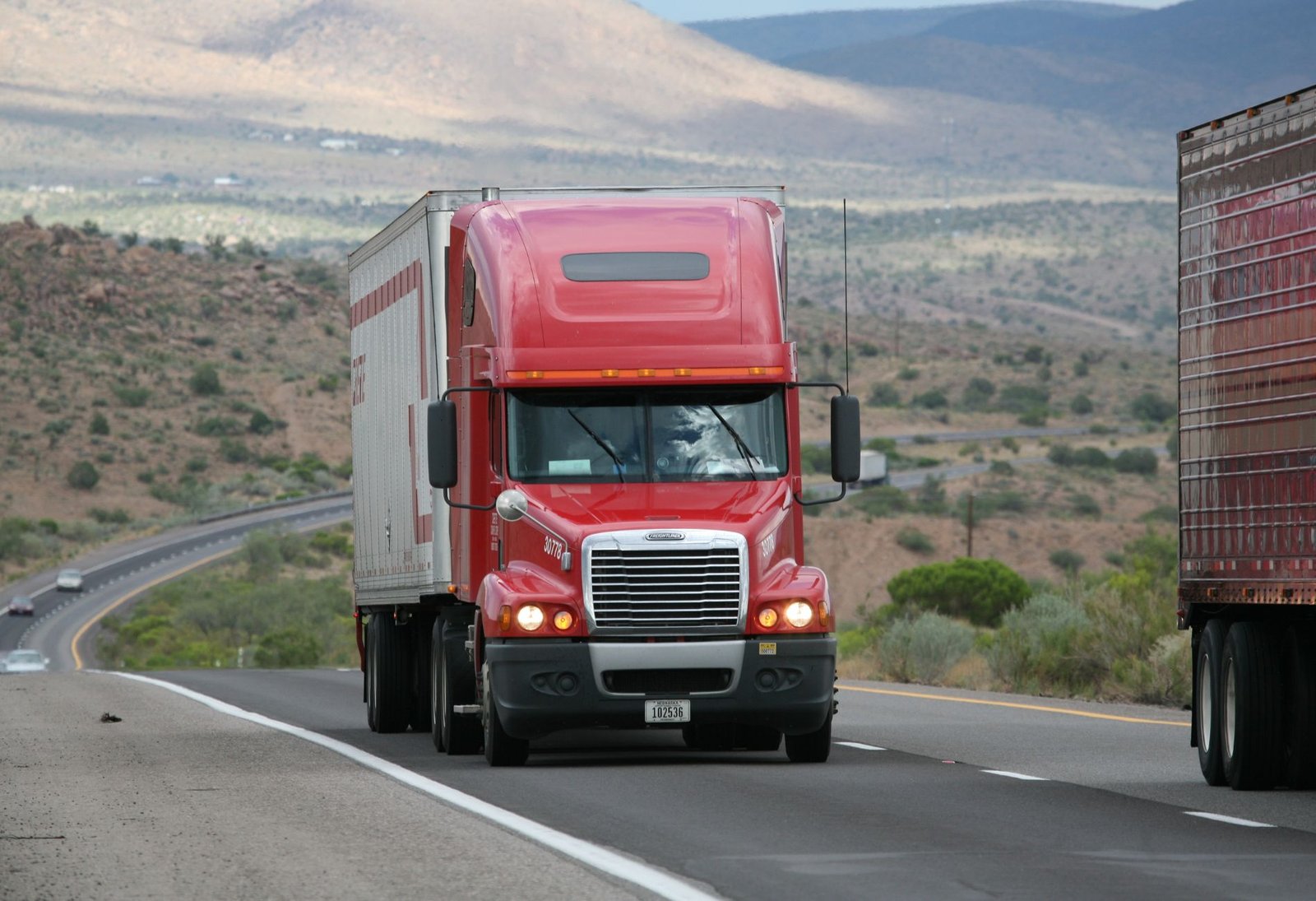
A damaged fleet truck sitting on your lot is costing you money — depreciating, taking up space, possibly accruing storage costs. The instinct is to repair it before selling. For most damaged fleet trucks in Alberta, that instinct is wrong. Repairs rarely earn back their cost at sale, and the time invested often makes the math worse. The Edmonton fleet team at Northern Auto Brokers has bought thousands of damaged fleet trucks across Alberta over two decades, and this is the practical guide to selling a damaged fleet truck in Alberta without repairing it first.
Why Pre-Sale Repairs Usually Lose Money
The math on repair-and-resell is rarely as good as it looks.
Three reasons it goes wrong:
1. Your Repair Cost vs. a Specialist’s
You pay retail for collision repair labor and parts. A specialist who repairs and resells damaged trucks at scale pays wholesale. Their cost to fix a $4,000-of-damage truck is often $1,500–$2,500. Your cost to fix the same damage is $4,000+.
When you fix the truck and try to sell it, you’ve spent $4,000 to add maybe $3,000 of perceived market value. The buyer who would have paid you $30,000 as-is now offers you $32,500 fixed. You lost $1,500 plus the time the truck sat.
2. Hidden Damage Risk
Collision damage often includes hidden structural, frame, or mechanical damage that doesn’t surface until the bodywork is opened up. Halfway through a $4,000 repair you discover frame straightening that adds $3,000. Now you’re $7,000 in on a truck whose post-repair market value is $33,000.
3. Time Value
A truck on your lot for 4 weeks while it’s repaired is 4 weeks of lost capital, lost storage, and lost flexibility. For most fleet operators, the time alone is worth more than the repair premium.
When Repairs Do Make Sense
A few exceptions where repairs can be worth it:
- The damage is purely cosmetic (a clear scratch, a dent that pops out cleanly, a broken light) and your in-house resources can fix it cheaply
- The damage prevents the truck from being legally driven and even moving it to a buyer’s location requires repair
- You have an OEM warranty or insurance pay that covers the repair and you’ll keep the difference
- The truck has unusually high inherent value that justifies the investment (a low-mileage premium specialty truck, for example)
For most working fleet trucks with collision, hail, or accumulated damage, sell as-is.
What “Damaged” Means to Different Buyers
Damaged fleet trucks fall into rough categories. Each has different buyers.
Light Cosmetic (Scratches, Minor Dents, Stone Chips)
Most buyers don’t even consider this damaged. Sell through normal channels — auction, direct wholesale — at a slight discount.
Moderate Body Damage (Larger Dents, Broken Glass, Damaged Bumpers, Hail)
Direct buyers specializing in damaged units pay closest to fair value. Auctions structurally underprice these. Retail buyers want photogenic vehicles and will pass.
Significant Collision Damage (Crumpled Panels, Misaligned Body)
Direct buyer with collision repair facility or partnership. They’ll repair and resell, or salvage and dismantle.
Frame or Structural Damage
Specialist buyer or dismantler. Some repair-and-resell operations work in this category, but the buyer pool is small.
Mechanical Damage (Engine, Transmission, Driveline)
Direct buyer specializing in mechanical repairs, dismantler, or specialty parts buyer. Some mechanical issues are cheap to fix and the truck sells normally; others are expensive and the truck goes to dismantling.
Fire, Flood, or Severe Environmental Damage
Dismantler or salvage buyer. Almost never worth attempting repair.
Non-Running Trucks (Won’t Start, Won’t Move)
Direct buyer with the equipment to retrieve and assess. Auctions are particularly unkind to non-running vehicles.
Why Auctions Underprice Damaged Trucks
A consistent pattern in Canadian wholesale auctions: damaged trucks sell for 60–80% of their fair direct-buyer value.
Three reasons:
- Auction buyers can’t fully inspect damaged trucks in the lane (limited time, often outdoor lighting)
- The buyer assumes hidden damage at maximum likelihood
- Bidder inattention — many buyers in lanes are looking for clean retail-ready vehicles
A damaged truck that should pull $25,000 from a specialist often clears auction at $18,000–$22,000 after fees.
The Direct-Buyer Advantage on Damaged Trucks
Specialists who buy damaged fleet trucks have:
- Repair facilities (or partnerships) at wholesale cost
- Parts networks that price below retail
- Multiple downstream channels (repair-and-resell, parts, U.S. export, dismantling)
- Experience pricing damage accurately
That stack of advantages means they can pay closer to actual value because their margin comes from operational efficiency, not from buying low.
How to Get the Best Offer on a Damaged Fleet Truck
Five practical moves.
1. Be Honest About the Damage
Buyers expect honest disclosure. Misrepresenting damage delays transactions, kills offers, and damages relationships. The buyer will inspect anyway.
2. Take Comprehensive Photos
Daylight, all four sides, all damage close-up, interior, undercarriage if relevant. Frame the photos to show damage clearly — not to hide it.
3. Document What You Know
If the damage is from a collision, share what you know: – When and how it happened – Any insurance involvement – Whether the vehicle was driven after the incident – Any repairs already attempted – Mechanical status (runs, doesn’t run, drives, doesn’t drive)
4. Get Multiple Quotes
For damaged fleet trucks specifically, the price spread between buyers is wide. A truck pulling $18,000 from one buyer can pull $26,000 from another. Get at least 3 quotes.
5. Match the Truck to the Right Buyer
A non-running diesel HD pickup should go to a buyer who specializes in mechanical and runs U.S. export. A hail-damaged half-ton with mechanical perfect should go to a buyer who repairs hail damage at scale. Generic “we buy any car” services rarely pay best on either.
Damaged Fleet Trucks and AMVIC Disclosure
In Alberta, AMVIC (Alberta Motor Vehicle Industry Council) requires licensed dealers to disclose material damage on vehicles they resell. That doesn’t apply directly to your sale of a damaged truck to a wholesaler — but it means:
- The buyer is taking on disclosure responsibility downstream
- Honest, documented damage history makes the transaction smoother
- Misrepresented damage can come back to you in disputes
When you sell a damaged truck, document the damage in the bill of sale. It protects everyone.
Title Status Matters
Three title situations affect damaged fleet truck sales differently:
- Clean Canadian title with damage but no insurance write-off — sells normally through any direct channel
- Lien held (financed truck) — lender release required before transfer; the buyer can typically work with you on this
- Salvage or rebuilt title (insurance write-off) — limits the buyer pool, kills U.S. export channel, sells through specialty buyers
If your truck was written off by insurance and you retained the salvage, you sell with a salvage title. That’s a separate market.
A Realistic Pricing Range Example
A 2020 F-250 Lariat diesel, 180,000 km, with $6,000 of front-end collision damage but mechanically sound:
- Auction (after fees): $24,000–$30,000 net
- Direct wholesale (generic): $26,000–$32,000
- Direct buyer with U.S. export and collision repair: $30,000–$36,000
- Retail with you handling repair first: $35,000–$40,000 minus your repair cost (maybe $4,000–$6,000) = $30,000–$36,000 net minus weeks of effort
[STAT NEEDS VERIFICATION: 2026 wholesale and damaged-vehicle values for 2020 F-250 Lariat — confirm against current Black Book Canada data]
The right channel for damaged trucks usually nets 20–35% more than the wrong channel.
A Practical Process for Selling a Damaged Fleet Truck
The fastest, most reliable path:
- Stop fixing it. Walk away from the temptation to repair before sale.
- Document the damage. Photos, written description, mechanical status.
- Get 3 quotes. Direct wholesalers, U.S. exporters (if title is clean), and specialty damage buyers.
- Pick the buyer with the right downstream channel for your truck.
- Close fast. Damaged trucks depreciate fast; storage isn’t free; opportunity cost compounds.
When Northern Auto Brokers Is the Right Buyer
Northern Auto Brokers buys damaged fleet trucks across Alberta in any condition — collision, hail, fire, flood, mechanical, non-running, even total losses. Two truckloads move to U.S. buyers weekly, and our buying capacity covers the full damage spectrum. We provide quick appraisals, fair offers, instant payment, and we handle pickup at no cost to you. No repairs or prep needed.
If you have a damaged fleet truck (or several) you want to move quickly, reach Kal at 780-289-4966 or kal@nabrokers.ca.