
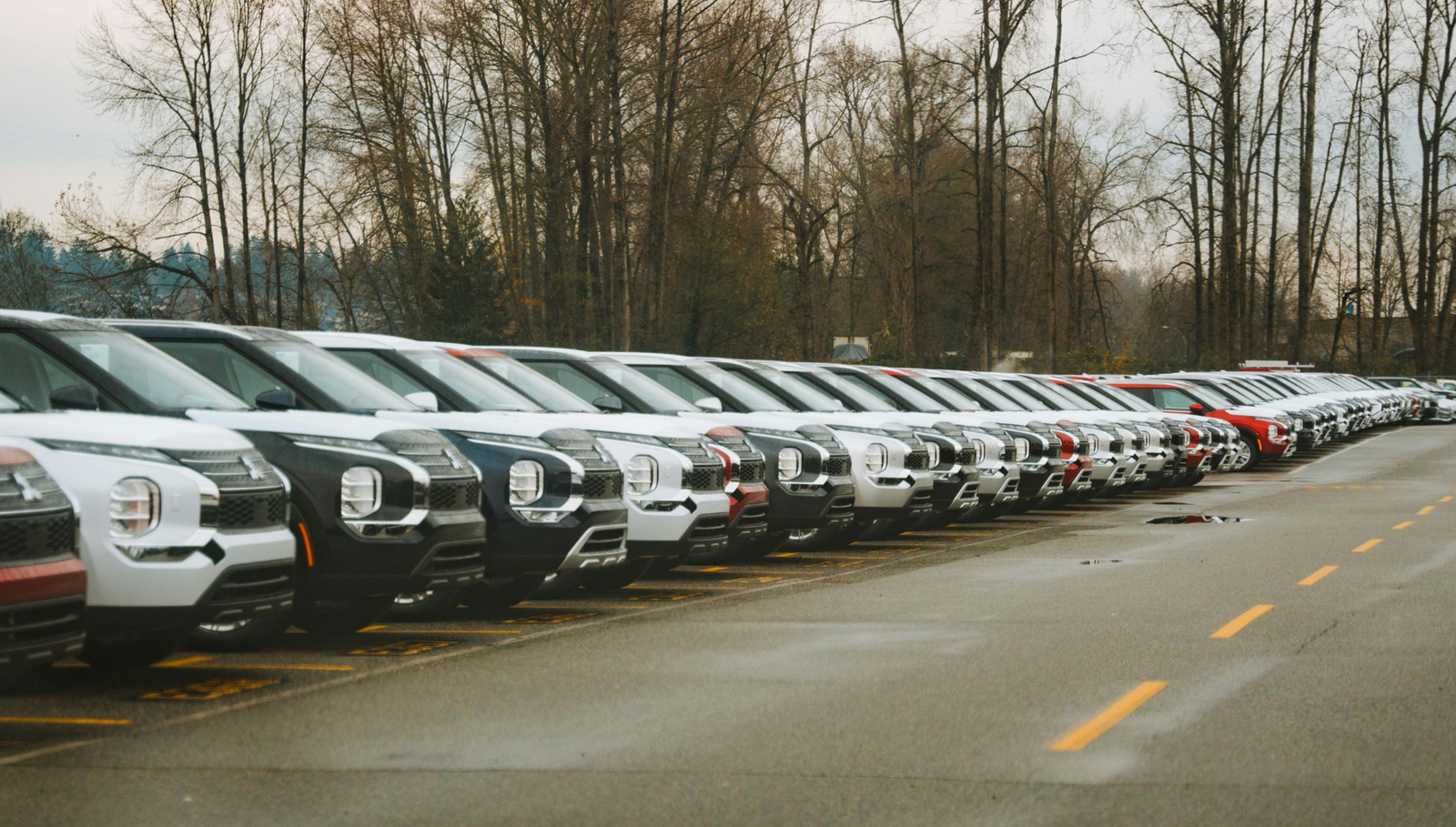
Liquidating a fleet — whether it’s 8 trucks from a downsizing operation or 80 from a business closure — is its own discipline. Done well, it nets close to wholesale market value with minimal time invested. Done poorly, it stretches over months and clears at fire-sale prices. The Edmonton fleet team at Northern Auto Brokers has run fleet liquidations across Alberta for over two decades. This is the practical playbook for fleet liquidation in Alberta, in the order you should actually do it.
What “Fleet Liquidation” Usually Means
Fleet liquidation in Alberta typically falls into one of four scenarios:
- Business closure — full fleet has to go, sometimes with limited time
- Major downsizing — partial fleet (20–60% reduction)
- Asset rebalancing — selling older units to refresh with newer ones
- Lease end / bankruptcy — externally driven, time-sensitive
The right approach varies by scenario and by fleet composition.
Step 1: Inventory the Fleet Honestly
Before you talk to any buyer, build a one-page summary of every vehicle. For each unit, capture:
- VIN
- Year, make, model, trim
- Drivetrain (gas, diesel, EV)
- Cab and box configuration
- Current odometer
- Major upfit (service body, ladder rack, plow, dump insert, crane, welder, custom)
- Condition rating (excellent, good, fair, damaged)
- Title status (clean, lien, salvage)
- Location (where the vehicle is currently parked)
- Operating status (runs, doesn’t run, mechanical issues)
- Recent service history available
For 5+ vehicles, build this in a spreadsheet. For 50+ vehicles, this becomes the master document for the entire process.
A buyer needs this information to make a real offer. Operators who don’t have it get lowball offers that account for due-diligence risk.
Step 2: Decide the Liquidation Strategy
Three strategies for Alberta fleet liquidation, each with different speed-vs-price tradeoffs.
Strategy A: Single-Buyer Bulk Sale
Sell the entire fleet to one buyer who takes everything. Fastest route, simplest paperwork, lowest operational effort.
Speed: 1–3 weeks from inventory to payment Net price: typically 88–95% of unit-by-unit fair wholesale Best for: business closures, time-sensitive situations, fleets where vehicle profiles fit one buyer’s downstream channel
The buyer is buying speed and consolidation, so they price below piece-by-piece sales — but the gap is often smaller than operators expect, especially on Alberta diesel pickup fleets where U.S. export demand is strong.
Strategy B: Multi-Channel Sale
Split the fleet by vehicle type and route each segment to its best channel — diesels to U.S. exporters, half-tons to auction, specialty trucks to end users, damaged units to specialty buyers.
Speed: 4–10 weeks Net price: typically 95–105% of unit-by-unit fair wholesale (sometimes higher if specialty trucks pull retail premiums) Best for: mid-size liquidations (15–60 vehicles), mixed fleets, situations where time is available
The challenge is operational — you’re managing multiple buyers, multiple sale dates, multiple paperwork streams. A broker can run this for you on commission.
Strategy C: Auction Consignment
Consign the entire fleet to a wholesale auction (Manheim Canada or ADESA). The auction handles the sale; you get paid after each lane.
Speed: 3–8 weeks depending on consignment cycles Net price: depends entirely on auction lane strength when your trucks run; typically 85–95% of unit-by-unit wholesale after fees Best for: large fleets (50+ vehicles) with broad mix, accounting-driven need for documented market sale
The risk: auction lanes have soft days. A single weak Tuesday in Manheim Edmonton can cost $40,000 across a 30-truck consignment.
Step 3: Get Quotes Before Committing
Before locking into any strategy, get pricing from at least three sources:
- One direct buyer or broker with bulk-fleet capacity
- One auction estimate (auction houses will appraise consignments in advance)
- One specialty buyer if you have unusual vehicles (welding rigs, tow trucks, classic equipment)
Real prices in writing reveal what each strategy actually nets you.
Step 4: Handle the Paperwork Properly
Fleet liquidation has more paperwork friction than single-vehicle sales. A few items that catch operators off-guard:
Title and Registration
- Clean titles transfer easily; liens require lender release
- Salvage or rebuilt-title vehicles need disclosure
- Out-of-province plates need transfer or removal before sale
AMVIC and Disclosure Requirements
Alberta vehicles sold commercially often trigger AMVIC (Alberta Motor Vehicle Industry Council) requirements. AMVIC mandates disclosure of significant prior damage on vehicles sold by licensed dealers. Selling private-to-business or business-to-business has different rules — confirm with your buyer.
GST Treatment
Commercial vehicle sales between GST-registered businesses are typically zero-rated for GST. Sales to non-registered buyers (private individuals) require GST collection. Get this right — it’s a real audit risk.
Lease Returns vs Sales
If any vehicles are still on lease, the path is different. Lease returns require coordination with the lessor; the lessor sells the vehicle and you get any equity above residual. Or you buy out the residual and resell.
Lender Releases
Any vehicle with a loan or lien needs the lender to release title at sale. Lenders typically require funds in trust before release — adds 5–10 business days to closing in some cases.
Step 5: Decide Where Each Vehicle Should Go
For multi-channel liquidations, route by vehicle profile:
- Late-model diesel HD pickups (F-250+, Ram 2500+, Silverado 2500+): Direct buyer with U.S. export reach typically pays best in Alberta
- Half-ton work trucks: Direct wholesale or auction
- Cargo vans: Direct buyer with delivery-fleet network
- Cube vans / Class 4–7 trucks: Direct buyer with commercial-fleet network
- Specialty service trucks: End users in the trade or industry-specific buyer
- Damaged or non-running: Direct buyer specialized in damaged units (auctions structurally underprice)
- Older trucks (10+ years): Retail direct or specialty wholesaler
Step 6: Logistics and Pickup
For larger liquidations, logistics is its own line item.
- Single-buyer bulk sale: buyer typically arranges and pays for transport
- Multi-channel sale: you may need to coordinate transport for some vehicles, depending on buyer
- Auction consignment: you pay transport to the auction
For Alberta liquidations, transport rates run roughly $1.50–$3.50/km for fleet hauler service, depending on truck size and distance. [STAT NEEDS VERIFICATION: 2026 Alberta commercial vehicle transport rates — confirm against current carrier quotes]
Step 7: Wind-Down and Tax
After the fleet is sold:
- Update vehicle insurance — cancel coverage on sold vehicles
- Remove vehicles from any fleet management systems
- Update accounting (asset disposals, capital gain/loss treatment)
- Issue or collect bills of sale, transfer documents, and any AMVIC disclosures required
- Confirm GST handling on each transaction
Common Liquidation Mistakes in Alberta
A few patterns that cost real money:
- Defaulting to dealer trade-in. Dealers price fleet trade-ins at fire-sale levels.
- Auctioning damaged trucks. Auction discounting for inspection risk often costs 20–30% vs direct sale.
- Selling diesels through Alberta-only channels. U.S. export reach can add $2,000–$6,000 per truck on the right profiles.
- Underestimating paperwork friction. A liquidation that should clear in 3 weeks stretches to 8 because of title/lien issues.
- Not getting quotes from multiple channels. Single-quote liquidations almost always under-realize value.
A Practical Timeline for a 20-Truck Liquidation
A reasonable, executable timeline:
- Week 1: Inventory all vehicles, photograph, gather paperwork. Get 3–5 quotes from different buyers.
- Week 2: Compare offers, decide strategy (bulk vs multi-channel vs auction). Confirm buyer terms in writing.
- Week 3: Begin paperwork — lender releases, title transfers, GST handling.
- Week 4–5: Vehicles transfer, payments received, accounting updated.
Aggressive but realistic for a clean fleet with no major paperwork issues. Add 1–3 weeks for liens, salvage titles, or cross-province registrations.
When to Use a Fleet Broker or Consolidator
For fleets of 10+ vehicles, a fleet broker who manages the liquidation end-to-end can be worth their commission (typically 3–8% of net proceeds). They handle quote-gathering, channel routing, paperwork, and logistics — and their channel relationships often realize more value than running the process internally.
Northern Auto Brokers handles Alberta fleet liquidations on both bulk-purchase and broker arrangements, with active U.S. export channels for the truck profiles that move best across the border. Whether you’re closing a business, downsizing, or refreshing an aging fleet, we’ll provide a real offer in writing within a few business days.
If you’d like a current-market read on what your fleet is worth — or help running the liquidation — reach Kal at 780-289-4966 or kal@nabrokers.ca.