If you’re wondering how to get rid of a car that doesn’t run, the first thing we tell people is this: don’t assume it has no value. At Northern Auto Brokers, we work with used and damaged vehicles every day, and our process is built around keeping things simple, fast, and transparent for sellers who do not want to waste time chasing the wrong option.
The right path usually comes down to four questions: Is the car repairable, does it still have parts value, do you want the fastest exit or the best possible return, and what paperwork does your province require? In Canada, the ownership-transfer basics stay similar, but province-specific requirements still matter. Alberta requires a proper bill of sale to transfer ownership, while Ontario sellers are told to provide the Used Vehicle Information Package, a signed bill of sale, and the signed vehicle permit/application for transfer.
When a non-running car is still worth something
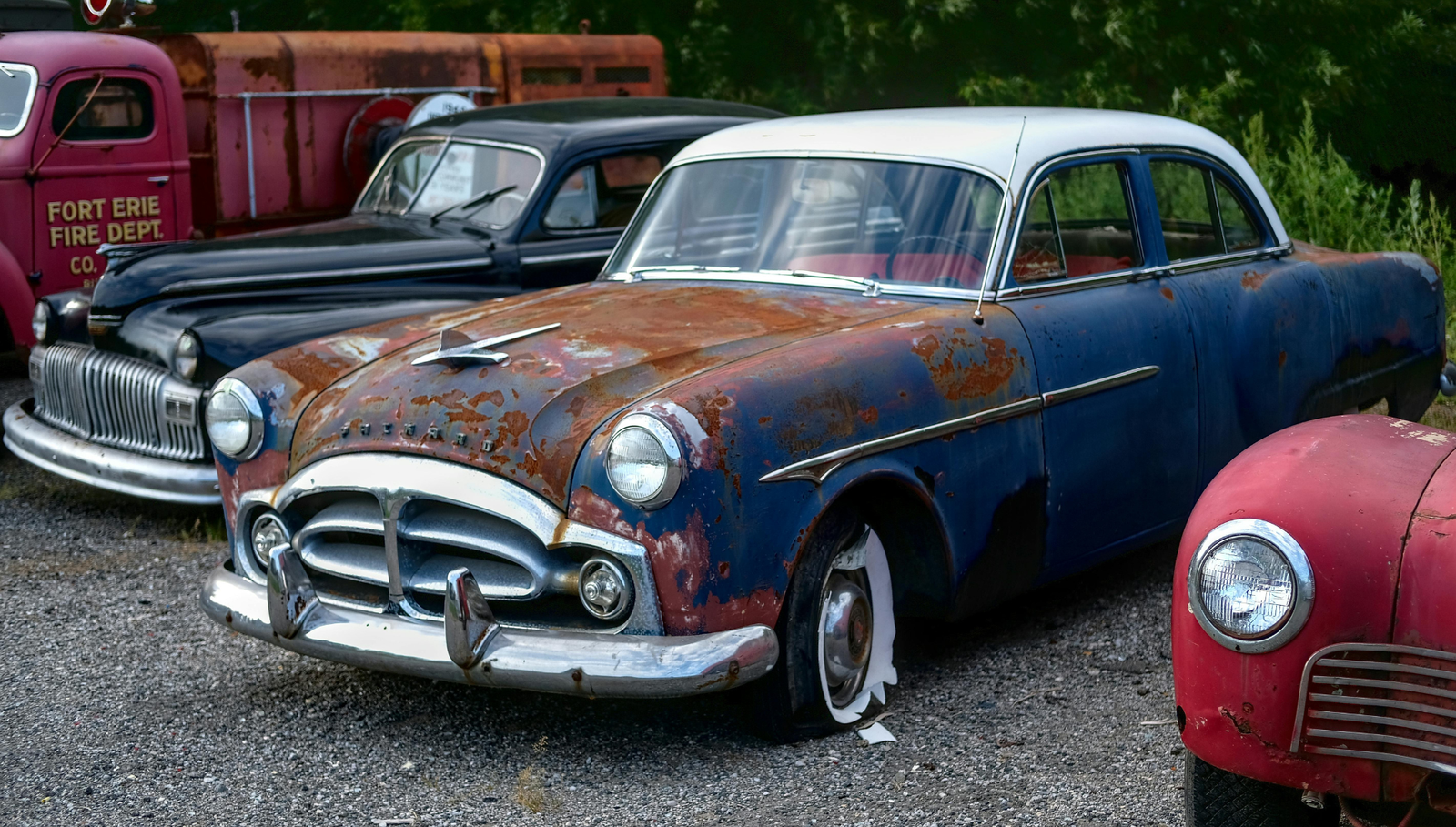
A car that does not start can still have real value. In many cases, the value is not in driving it away the same day. It is in the parts, the recyclable material, the body, the drivetrain, or the fact that a buyer with the right equipment can move it and process it properly.
That is one reason we do not tell sellers to jump straight to scrapping. Canada’s Retire Your Ride program says responsible end-of-life recycling should be handled by recyclers that follow the Canadian Automotive Recyclers’ Environmental Code, and it describes a structured process focused on reclaiming usable material and reducing environmental impact.
How to Get Rid of a Car That Doesn’t Run Without Wasting Time
If you want to make the right decision quickly, these are the four routes we would compare first.
1. Sell it as-is to a private buyer
This can work if the vehicle still has repair potential, collector value, or desirable parts. You may get more than scrap value, but you will also do more of the work yourself.
That usually means writing the listing, answering questions, arranging towing or pickup, disclosing that the car does not run, and handling the paperwork carefully. If your goal is maximum convenience, this usually is not the easiest route.
2. Sell it directly to a buyer that handles used or damaged vehicles
This is usually the cleanest option when the car is not worth fixing for retail sale, but it still has wholesale, salvage, or parts value. It is also the better fit when you do not want strangers coming by, long message threads, or buyers negotiating after they arrive.
That is where our process often makes sense. On our site, we explain that we help people sell used or damaged vehicles, and we position the process around speed, transparency, and straightforward logistics.
3. Recycle or scrap it responsibly
If the vehicle is truly at end of life, a recycler may be the best answer. This is especially true when the repair cost is far beyond the car’s real market value, the vehicle has been sitting too long, or the mechanical failure is severe enough that the buyer pool is tiny.
When you go this route, we recommend using a recycler with a documented environmental process. Retire Your Ride specifically promotes recyclers that follow the Canadian Automotive Recyclers’ Environmental Code rather than operations that just crush a vehicle for metal value.
4. Donate it
Donation makes sense when money is not the main priority and you would rather support a cause than negotiate a sale. But if you care about the tax side, do it properly.
The CRA says donations should go to a registered charity or other qualified donee, and it notes that you may be able to receive an official donation receipt for your gift. Before donating a vehicle, we would always confirm the organization’s status and how the receipt is handled. See the CRA’s charities and giving guidance.
The paperwork to gather before the car leaves
Even if the car does not run, the handoff still needs to be documented properly. We tell sellers to get these items ready before anyone shows up with a trailer or tow truck.
1. Your ownership or registration document
You need proof that you are the legal owner. Without that, even a simple as-is sale can become messy fast.
2. A complete bill of sale
In Alberta, the government says a bill of sale used in a private vehicle sale must include the full names and addresses of the buyer and seller, the VIN, the make/model/style/colour/year, the cost, and both signatures. Alberta also recommends adding details like odometer reading, liens, payment method, and special conditions of sale. We like that approach because it gives both sides a cleaner paper trail. You can review Alberta’s standard bill of sale requirements here.
3. Any province-specific transfer documents
This is where Canadian sellers get tripped up. The exact form changes by province.
For example, Ontario says sellers need to provide the Used Vehicle Information Package, a signed bill of sale, and the signed application for transfer/vehicle permit when selling a used vehicle. That is why we always tell sellers not to assume a generic “cash for cars” process covers everything. Check your province before the deal is final.
4. Plate, registration, and insurance follow-up
Do not let a non-running car leave with your plates still attached. Ontario’s seller guidance says to remove your licence plates when selling a vehicle, and Alberta’s registration-cancellation process says you need to bring your licence plate to a registry agent if you are cancelling the registration. Alberta also lets you cancel the registration and potentially receive a refund for unused time left on it.
In practical terms, our advice is simple: remove the plates, keep copies of the sale documents, and then update or cancel your registration and insurance based on your province’s rules.
How we would choose the best option
When people ask us this question, we usually narrow it down with a simple decision path.
1. Choose a private sale if the car still has niche demand
This is the better route when the vehicle is rare, repairable, or desirable enough that the right buyer will pay for potential instead of current drivability.
2. Choose a direct buyer if speed matters more than squeezing out every last dollar
If you want the car gone quickly, do not want towing headaches, and would rather skip the back-and-forth, selling directly is usually the better use of your time.
3. Choose recycling if the vehicle is clearly at end of life
If it has major mechanical failure, severe damage, or very low resale potential, recycling is usually the cleaner and more realistic answer.
4. Choose donation if you care more about the cause than the sale proceeds
That can still be a good option, but only if you are clear on who is receiving the vehicle and how the documentation works.
Mistakes that cost sellers money
We see the same mistakes over and over, especially when the car has been sitting for a while.
1. Spending money before pricing the vehicle properly
A non-running car does not always need a repair before sale. Sometimes the repair bill is exactly what destroys the value.
2. Being vague about the condition
If the engine is seized, if it cranks but does not start, or if it has accident damage, say so clearly. The right buyer will still be interested. The wrong buyer will only waste your time.
3. Letting the vehicle leave without a paper trail
A quick driveway deal is fine only if the paperwork is complete. Ownership, bill of sale, price, date, and signatures should all be documented.
4. Forgetting the province-specific steps after the sale
This is where plates, registration, insurance, and notice-of-sale requirements can come back to bite you. The vehicle being non-running does not remove those responsibilities.
A simpler next step if you just want it gone
If your main goal is to get a non-running vehicle out of your driveway without making the process harder than it needs to be, start with a basic ownership check, a realistic condition summary, and a clear decision on whether you want speed or maximum price.
If you want help deciding whether your vehicle is better sold as-is, moved through a damaged-vehicle sale, or handled through a wholesale-style process, reach out to Northern Auto Brokers. We help sellers with used and damaged vehicles, and you can contact us directly at kal@nabrokers.ca or 780-289-4966.