
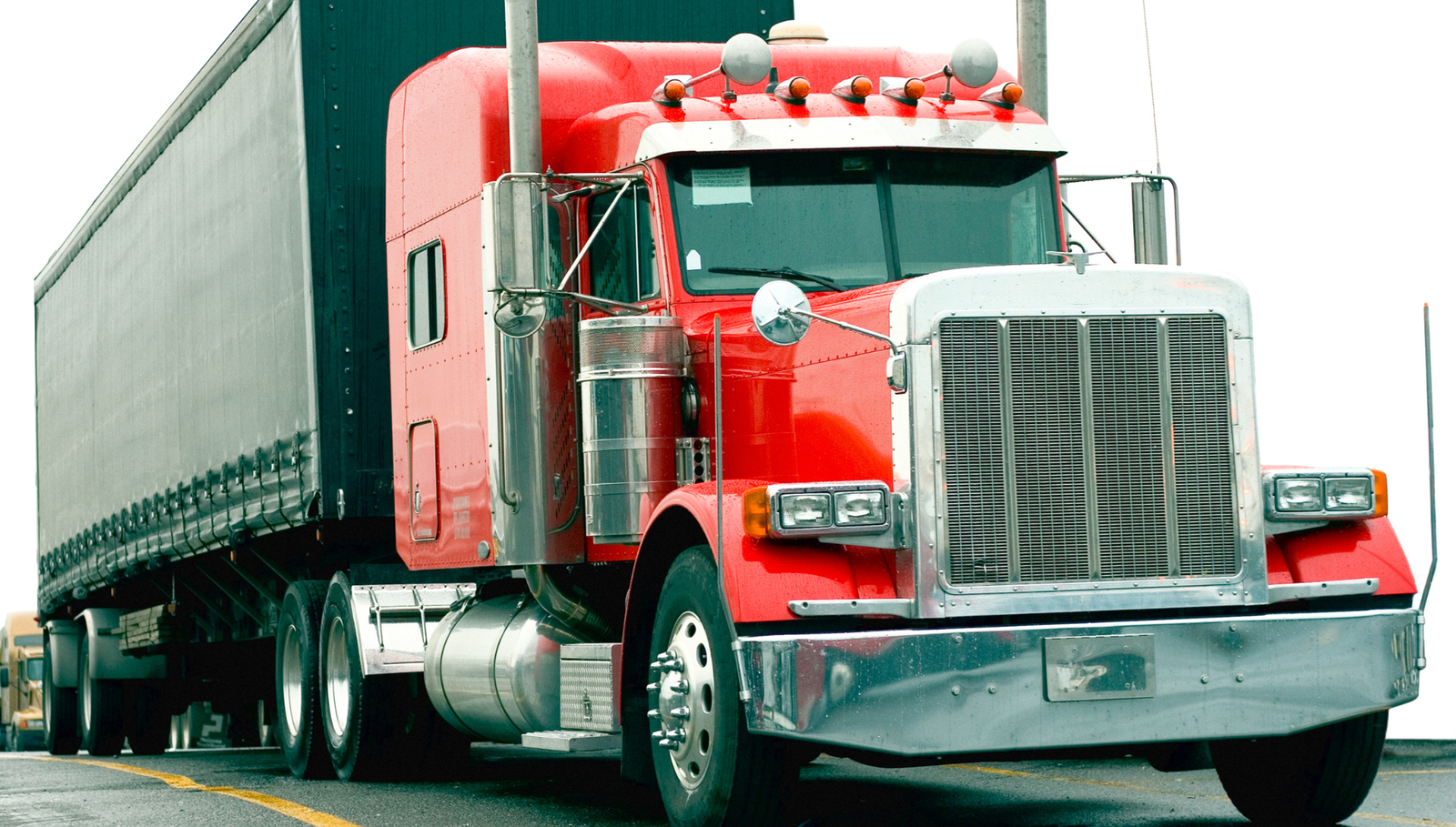
If you’re sitting on a truck in Edmonton and a U.S. buyer wants it, the question isn’t whether you can sell — it’s how the export process actually works from your driveway to their lot. The Edmonton-based export team at Northern Auto Brokers has handled cross-border truck exports for over two decades, and this is the local seller’s walkthrough on how to export a truck to the USA from Edmonton — what to expect, what to handle, and what to outsource.
Why Edmonton Is a Good Place to Export Trucks From
Edmonton has practical advantages for cross-border truck export:
- Highway access to the Coutts/Sweetgrass border is a roughly 5-hour drive — one of the most active border crossings for vehicle exports
- Customs brokers and exporters are concentrated in Alberta because of fleet and oilfield activity
- U.S. demand for Alberta-spec trucks is strong — diesel HD pickups built for cold-weather, heavy-duty use translate well to U.S. markets
- Alberta dry climate keeps undercarriage and frame condition good, which U.S. buyers value
- The CAD-USD exchange rate has consistently made Canadian trucks attractive to U.S. buyers
Trucks that struggle to find Canadian buyers often clear quickly through U.S. export channels.
The Step-by-Step Process
Here’s what actually happens, in order.
Step 1: Confirm the Truck Is Exportable
Not every truck is. Quick checks:
- Title status: clean Canadian title (no salvage, no rebuilt) is required for most U.S. markets. Salvage titles can sometimes be exported but to limited buyer pools.
- Lien status: outstanding loans must be paid off and lien released before export. Banks typically take 5–10 business days to release.
- Modifications: modified trucks can have problems. Deleted emissions kill U.S. export value. Aftermarket lifts, tunes, and exhaust modifications complicate compliance and may need to be returned to OEM spec.
- VIN compliance: the truck must be on the EPA’s compliant vehicle list. Most North American-market trucks are. Gray-market vehicles aren’t.
- Age: vehicles 25 years and older have looser EPA requirements (the 25-year rule). Newer vehicles must comply with current EPA and DOT standards as built.
If your truck passes these checks, it’s exportable.
Step 2: Establish the U.S. Sale
Before any export work starts, you need a confirmed U.S. buyer at a confirmed price.
That can be: – An individual U.S. buyer who reached out – A U.S. dealer – A U.S. wholesaler – An exporter (like Northern Auto Brokers) who buys from you directly and handles the U.S. side
If you’re working through an exporter, the process is much simpler — you sell to the exporter, the exporter handles the cross-border logistics.
If you’re selling directly to a U.S. buyer, you need to coordinate the export logistics yourself or hire a broker to do it for you.
Step 3: Gather Documentation
You’ll need:
- Vehicle title (clean, in your name, no liens — or with lien release in process)
- Bill of sale with U.S. buyer
- Vehicle registration (current)
- VIN photos (verifying the VIN matches title)
- Photos of the vehicle (proof of condition)
- Service records if available
- Your photo ID
- U.S. buyer’s information (name, address, intent to import)
A complete documentation package speeds the process. Missing documents create delays.
Step 4: Decide: Do It Yourself or Hire an Exporter
For a single truck, this is the key decision.
Hire an exporter when: – You don’t have export experience – You want top-dollar for the truck through their U.S. network – You don’t want to coordinate transport, brokers, and border logistics – The export complexity is high (VIN compliance issues, modified vehicles, etc.)
Sell directly to a U.S. buyer (with broker assistance) when: – You already have a confirmed buyer at a strong price – You have time to manage the process – The truck is straightforward (factory-spec, North American market) – You’re willing to coordinate brokers and transport
Step 5: AES Filing (Mandatory)
Every vehicle exported from Canada to the U.S. must have an AES (Automated Export System) declaration filed at least 72 hours before crossing the border. This is non-negotiable.
If you’re using a broker or exporter, they handle this.
If you’re DIY, you need an AES account (free, but takes weeks for U.S. Census Bureau approval) and you file the declaration yourself.
Step 6: Canadian Outbound Clearance
The truck (or its paperwork) goes to CBSA for outbound export clearance. Required documents:
- AES filing confirmation
- Title and ownership documents
- Bill of sale to U.S. buyer
- VIN confirmation
CBSA stamps the title for export. This is your authorization to leave Canada.
Step 7: Transport to U.S. Border
You have three transport options.
Drive the truck yourself. Possible if you have time and the truck is in driving condition. Edmonton to Coutts/Sweetgrass is about 5 hours.
Hire a transporter. Open trailer transport from Edmonton to the U.S. border runs $800–$1,500. From Edmonton to a final U.S. destination, $1,500–$4,500 depending on distance.
Buyer arranges transport. Some U.S. buyers send their own carrier or pick up the truck themselves.
Step 8: U.S. Inbound Clearance
At the U.S. border, the truck enters U.S. customs:
- CBP officer reviews documents
- Form 7501 (entry declaration) is filed
- EPA 3520-1 form (vehicle and engine emissions information) is filed
- DOT HS-7 form (vehicle compliance) is filed
- Duty (if applicable under USMCA) is paid
- HS code classification is confirmed
Most North American-market trucks qualify under USMCA for duty-free import. Brokers handle these forms.
Step 9: Transport to U.S. Destination
After U.S. clearance, the truck moves to its final destination — buyer’s home, dealer’s lot, or warehouse.
Step 10: U.S. Title and Registration
The U.S. buyer handles state-level title and registration:
- VIN inspection (in some states)
- State title application
- State registration
- State sales tax payment
This is the buyer’s responsibility, but a smooth handoff from your side (clean Canadian title with proper export stamp) makes this easy.
Timeline Expectations
A typical Edmonton-to-USA truck export, working through an exporter:
- Day 1–2: Sell truck to exporter, paperwork starts
- Day 3–5: AES filing, transport scheduled
- Day 6–10: Truck transported, border crossing, U.S. inbound clearance
- Day 10–14: Truck delivered to U.S. buyer
DIY timeline often runs 2–4 weeks because of the learning curve and coordination.
Edmonton-Specific Logistics
A few practical notes for Edmonton sellers:
Yellowhead Trail and Highway 2 Access
Edmonton’s location on Highway 2 makes southbound transport simple. Most carriers are familiar with the Coutts crossing route.
Local Customs Brokers
Several customs brokers operate in Edmonton with vehicle export expertise. Northern Auto Brokers works with established broker relationships across the corridor.
Cold-Weather Considerations
Winter exports can run into cold-weather logistics issues — diesel gelling on transport, frozen brake lines, battery problems on long-storage vehicles. Spring and summer exports are smoother.
Provincial Title Considerations
Alberta titles transfer cleanly for export with no special province-specific requirements beyond standard CBSA paperwork.
Common Edmonton Truck Profiles That Export Well
Some trucks consistently clear better through U.S. channels than Canadian:
- Late-model diesel HD pickups (F-250+, Ram 2500+, Silverado 2500+ with Cummins, Power Stroke, or Duramax engines)
- Specific service truck profiles (extended cab, 8-foot box, work-spec interior)
- Trucks with strong service history
- Low-mileage examples relative to age
The best-performing exports typically have clean Canadian titles, intact OEM emissions, and complete documentation.
Costs to Budget
For a typical Edmonton-to-USA truck export:
- AES filing: $50–$200
- Canadian customs broker: $100–$400
- U.S. customs broker: $200–$600
- Transport (Edmonton to U.S. destination): $1,200–$4,500 depending on distance
- U.S. duty: typically $0 under USMCA for most trucks
- Currency exchange spread: 1–3% of sale price
Total non-vehicle export costs: $1,500–$5,500 typical.
If you sell to an exporter directly, these costs are baked into the offer — you receive a single net price.
Common Edmonton-to-USA Export Mistakes
Three patterns to avoid:
Selling Without Confirming the Truck Is Exportable
Modified trucks, salvage titles, or non-North American spec vehicles can stop the export at the border. Confirm exportability before negotiating with U.S. buyers.
Underestimating Documentation Time
Lien releases, missing service records, or out-of-province paperwork can delay exports by weeks. Start gathering documentation early.
Not Pricing the Export Costs Into the Sale
If you negotiate a U.S. price without accounting for transport and brokerage, you absorb those costs from the sale proceeds. Price accordingly.
When Northern Auto Brokers Is the Right Channel
If you want to skip the export complexity entirely, Northern Auto Brokers’ export division buys trucks directly from Edmonton-area sellers and handles the full U.S. export process. We move two truckloads weekly with 20+ years of cross-border experience. You sell to us at a strong Alberta-market price; we handle everything else.
That’s often the highest-net-payout option for sellers because: – You skip transport, brokerage, AES filing, and compliance work – Our U.S. buyer network often pays above Canadian wholesale on the right truck profiles – Payment is fast (instant payment at sale)
If you’d like a real offer on your truck for export from Edmonton, reach Kal at 780-289-4966 or kal@nabrokers.ca.